



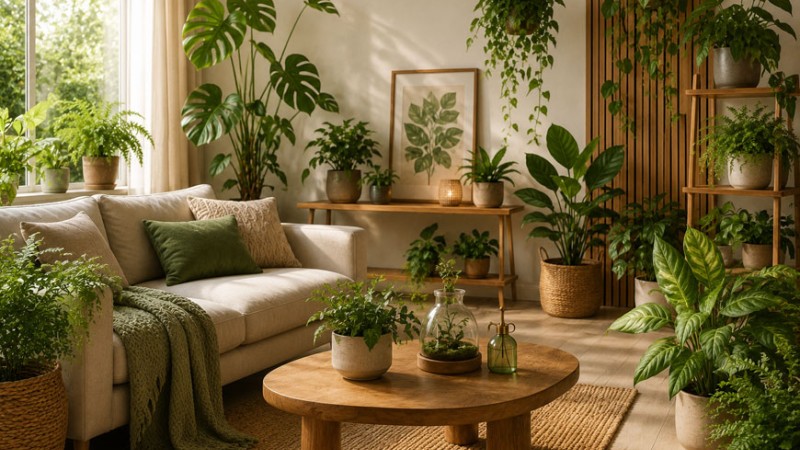
Indoor gardening has become increasingly popular among homeowners and apartment dwellers who want to enjoy the beauty of plants without requiring a large outdoor space. Beyond their decorative appeal, indoor plants can help create a calming atmosphere and make living spaces feel more inviting.
If you're new to indoor gardening, getting started is easier than you might think. With the right plants, accessories, and basic care, you can create a thriving indoor garden that enhances your home year-round.
Why Choose Indoor Gardening?
Indoor gardening offers several benefits beyond aesthetics:
- Adds natural beauty to your living space
- Creates a more relaxing environment
- Helps personalize your home décor
- Allows year-round enjoyment of plants
- Suitable for homes with limited outdoor space
Whether you live in a house, apartment, or studio, indoor plants can fit seamlessly into almost any environment.
Start with Easy-to-Maintain Plants
Beginners should focus on plants that require minimal care and can adapt to different indoor conditions.
Popular beginner-friendly options include:
- Snake Plant - Known for its durability, the snake plant tolerates low light conditions and requires infrequent watering.
- Pothos - Pothos plants grow quickly and can thrive in various lighting environments, making them ideal for beginners.
- Peace Lily - Peace lilies feature attractive green leaves and elegant white flowers while being relatively easy to care for.
- Spider Plant - Spider plants are adaptable, low-maintenance, and suitable for homes with limited gardening experience.
Choose the Right Containers
Plant containers play an important role in both plant health and home décor.
When selecting pots, consider:
- Proper drainage holes
- Appropriate size for plant growth
- Materials suitable for indoor use
- Decorative styles that complement your interior design
Matching planters can help create a cohesive and organized appearance throughout your home.
Understand Light Requirements
Different plants require different amounts of light.
Common lighting conditions include:
- Bright Indirect Light - Ideal for many tropical houseplants. Place plants near windows without exposing them to direct sunlight for extended periods.
- Moderate Light - Suitable for many common indoor plants and living room spaces.
- Low Light - Certain plants, such as snake plants and pothos, can tolerate lower-light environments often found in offices and apartments.
Understanding your home's natural lighting will help you select plants that thrive in your specific conditions.
Avoid Overwatering
One of the most common mistakes beginners make is watering plants too frequently.
Before watering:
- Check the soil moisture.
- Ensure excess water can drain properly.
- Follow the specific needs of each plant species.
Most indoor plants perform better with slightly dry soil than consistently waterlogged roots.
Keep Plants Clean
Dust can accumulate on plant leaves over time, reducing their ability to absorb light effectively.
Gently wiping leaves with a soft cloth helps maintain plant health while keeping them looking vibrant and attractive.
Use Gardening Accessories for Better Results
Simple gardening accessories can make plant care easier and more efficient.
Useful accessories include:
- Watering cans
- Plant misters
- Decorative planters
- Plant stands
- Gardening gloves
- Soil scoops and tools
These accessories help simplify maintenance while enhancing the appearance of your indoor garden.
Decorating with Indoor Plants
Indoor plants can become beautiful design elements throughout your home.
Consider placing plants:
- On shelves and bookcases
- Near windows
- On coffee tables
- In entryways
- On plant stands
- In home offices
Mixing plants of different heights and leaf shapes creates visual interest and adds depth to your décor.
Final Thoughts
Indoor gardening is a rewarding hobby that combines home decoration with the enjoyment of nature. By starting with easy-care plants, using suitable accessories, and understanding basic plant care principles, anyone can create a thriving indoor garden.
Whether you want to brighten a living room, add greenery to a workspace, or create a relaxing atmosphere at home, indoor gardening offers an accessible and enjoyable way to transform your space. With a little care and creativity, your indoor garden can become one of the most attractive features of your home.
Leave a comment